The back of the neck is the part of a haircut you never see and everyone else does. It is also the first part to give a cut away. Neck hair grows in fast, softens the clean line a barber left, and makes a three week old cut look six weeks old from behind, which in Lincolnton is the view your coworkers get.
Plenty of claims circulate about neck hair: that shaving it makes it grow back thicker, that a natural neckline is always better, that you can maintain it perfectly at home. This piece sorts those claims at The BobShop standard: true, false, and it depends.
Why the neck gives the cut away first
The neckline is a designed edge, and designed edges expire faster than lengths do. Fine hairs below the line emerge within days, the line itself blurs, and for men whose neck hair grows in swirls or extends low, the blur arrives even sooner. Hair at the nape also tends to grow in multiple directions, so regrowth looks untidy at lengths that would look fine on top of the head.
The collar makes it worse. Shirt collars rub the nape, push short hairs around, and draw the eye to exactly the zone that has grown out. That combination is why a between-cuts neck cleanup can make a whole haircut look fresh again, even though almost nothing was actually cut.
| Claim | Verdict | Explanation |
|---|---|---|
| Shaving neck hair makes it grow back thicker | False | Cutting does not change the follicle; regrowth feels stubbly because the ends are blunt, not because density changed |
| A blocked neckline suits everyone | False | Strong square or rounded lines suit some necks and hairlines; a tapered natural finish suits others and grows out softer |
| Tapered necklines need less upkeep | True | A faded natural edge has no hard line to lose, so regrowth reads as gradual rather than scruffy |
| You can fully maintain the neck at home | It depends | Tidying below the line is doable with a trimmer and two mirrors; reshaping the line itself is where home work goes wrong |
| Neck hair grows faster than the rest | It depends | Growth rate is similar, but short designed edges show small growth sooner, especially with multi-directional nape growth |
| A neck cleanup is a minor, pointless service | False | It restores the outline people actually see and can extend a cut's good life by one to two weeks |
Your options between full cuts
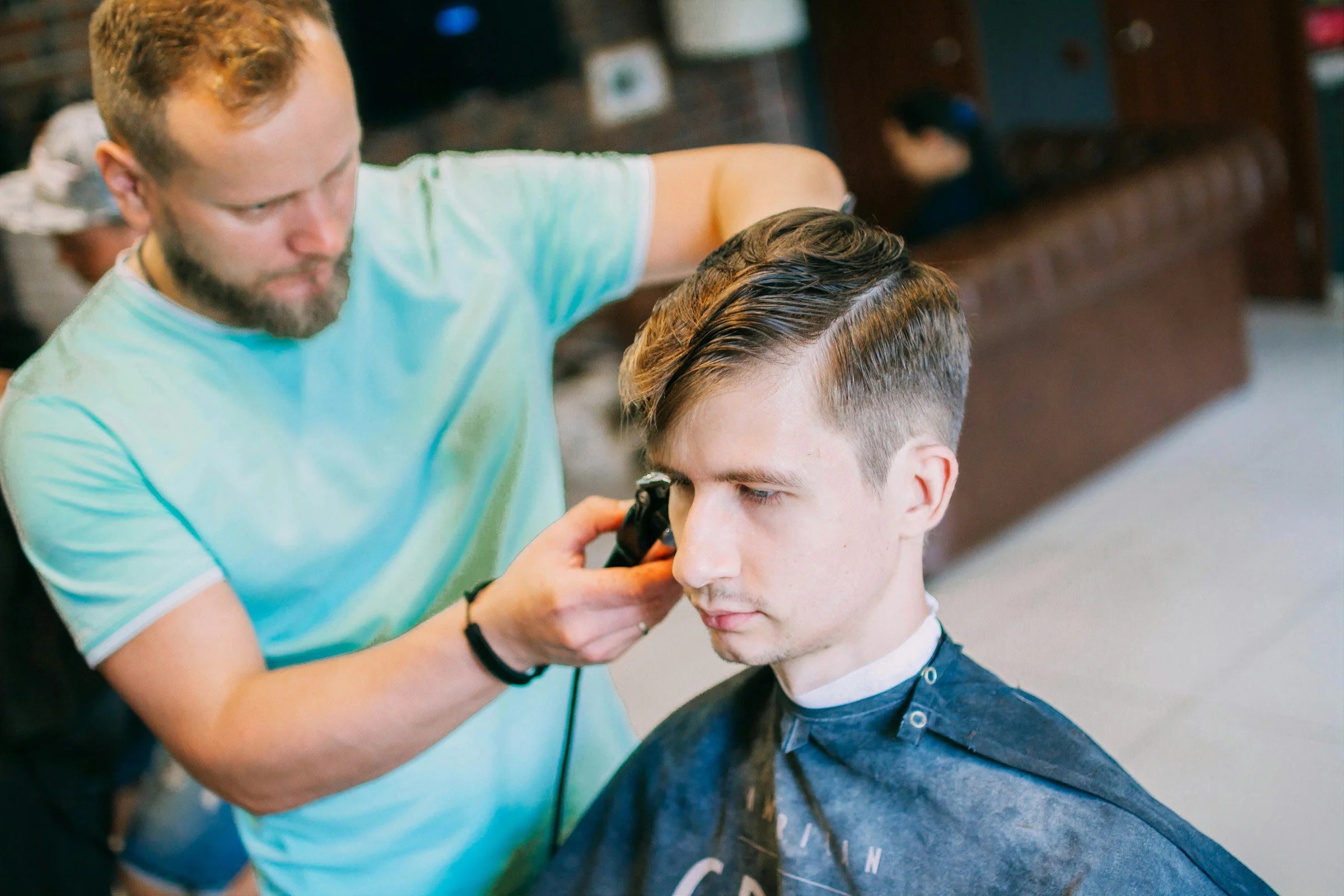
The simplest option is a standalone neck and edge cleanup: the barber re-establishes the neckline, tidies around the ears, and touches nothing else. It is a short visit and it resets the part of the cut that aged. The second option is choosing a tapered neckline at the full cut itself. A natural fade out at the nape has no hard edge, so it still looks intentional at week four, which is why many men who dislike frequent visits prefer it.
The third option is disciplined home upkeep, covered below. Notice what is not on the list: ignoring the neck for six weeks while keeping the top styled. The mismatch reads as sloppy from behind no matter how good the front looks.
Home cleanup without the damage
If you tidy at home, the rules are conservative. Work dry, in good light, with a hand mirror angled so you can actually see the nape rather than guessing. Use a trimmer, take only the hairs clearly below the line your barber set, and never raise the line to make it look cleaner. Raising it is the home error that matters, because an over high neckline looks wrong immediately and takes weeks to grow back down.
Go slowly around the swirls at the nape, where hair direction changes and a single pass direction will miss patches. And stop sooner than you want to. A home cleanup that is 90 percent tidy preserves the cut. One that chases perfection usually ends with the line moved, uneven, or both. In Lincolnton shops, that repair job is familiar, and it always takes longer than the cleanup would have.
Blocked, rounded, or tapered
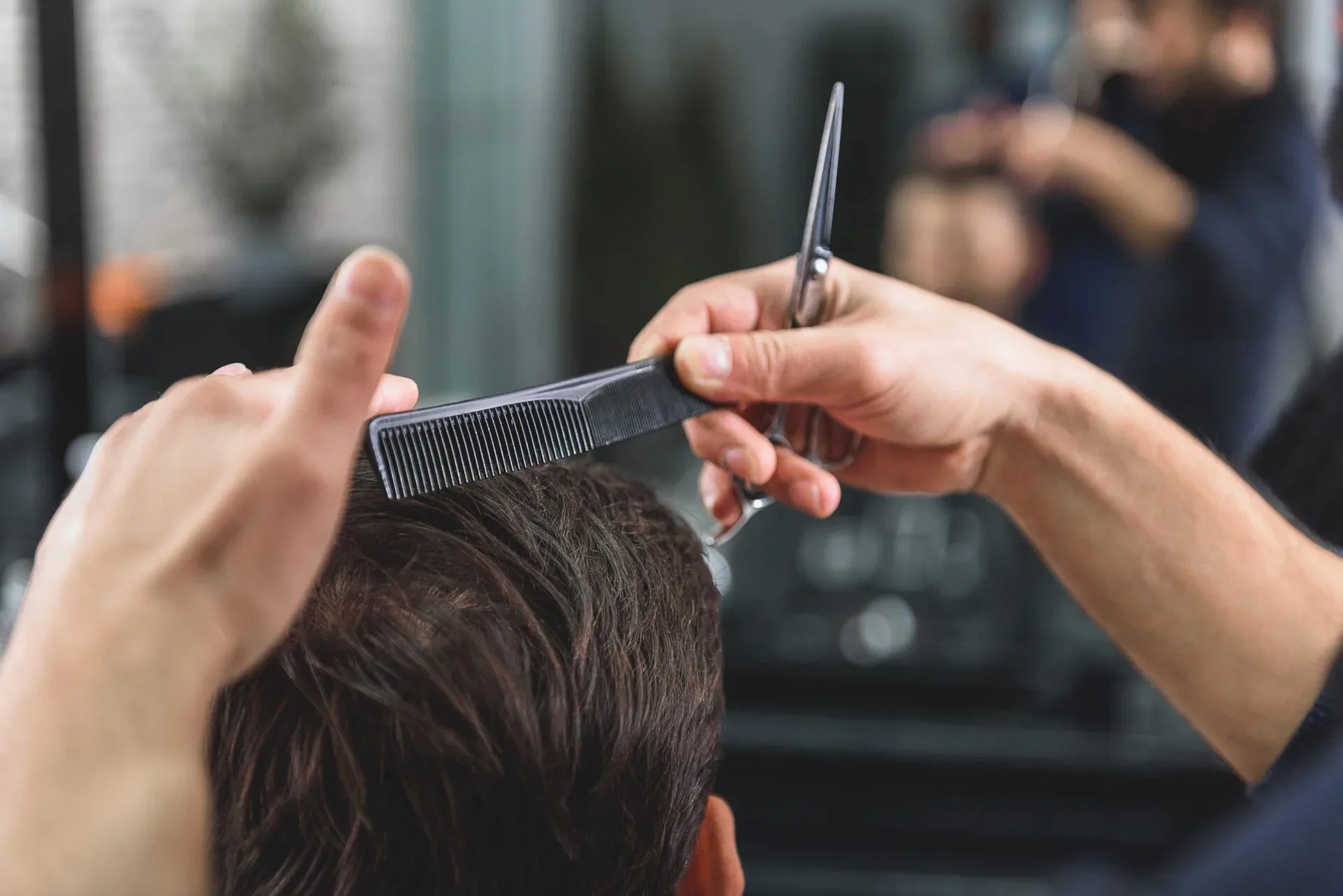
The finish choice shapes your upkeep. A blocked line, squared or rounded at the corners, looks sharpest on day one and demands the most maintenance. A tapered finish looks slightly softer initially and ages the most gracefully. Neither is more professional; the right answer depends on your neck, your hairline shape, and how often you realistically return. Tell your barber which matters more, sharpness or low upkeep, and the finish follows from the answer.
Common questions
How soon does neck hair grow back after a cut?
Visible fuzz below the line usually appears within a week, and the line itself looks soft by two to three weeks for most men, faster if nape hair grows in swirls.
Does shaving my neck make the hair grow back thicker?
No. Cutting and shaving do not change follicles or density. Regrowth feels coarser because cut ends are blunt, which is an effect of texture, not thickness.
Which neckline finish needs the least upkeep?
A tapered, natural finish. With no hard line to lose, regrowth looks gradual, while a blocked line looks sharp at first but shows its age soonest.
Photos in this guide are representative stock images.
← All guides from The BobShop← Back to The BobShop