Fall arrives in Lincolnton with cooler mornings, dry heated air indoors, and hat weather on the way, and hair that behaved all summer starts behaving differently. A seasonal switch is not about chasing a new look for its own sake. It is about adjusting length and care before the season makes the decisions for you.
At The BobShop, the fall conversation usually covers the same ground: whether to grow the summer cut out, how to handle dry scalp and static, and how to keep a style working under hats and hoods through winter.
When the season turns, in the Piedmont
The switch is worth making in early to mid fall, before the first sustained cold. Hair grows about half an inch a month, so a grow out started in October has shape and intent by the holidays, while one started in late November spends the photo season in the in-between stage. Care changes can start immediately: the first week of heated indoor air is when scalps begin to dry and static begins to build.
Summer's priorities reverse now. Short, airy cuts were about heat and sweat. Fall and winter are about moisture retention, a little more coverage over the ears if you are outdoors often, and styles that recover after a hat comes off. None of that requires a long style. One guard longer on the sides and a softer blend is a complete seasonal switch for many men.
Growing it out, on purpose
If you do grow out, plan it as a project with maintenance, not as a pause in haircuts. The sides and back reach untidy lengths weeks before the top looks deliberate, so shaping visits that protect the top while cleaning the outline keep the process presentable. Tell your barber the target on the first fall visit, because a cut shaped to grow is different from a cut shaped to hold, and bring a photo of the length you are aiming for.
Expect two to three visits across the transition and a few awkward days in each cycle. Texture helps: a slightly textured top settles more gracefully than a blunt one at in-between lengths. If your hair is fine and tends to look thin when long, your barber may steer you toward the modest version of the switch, and that advice is worth taking before you invest a season in length your hair will not reward.
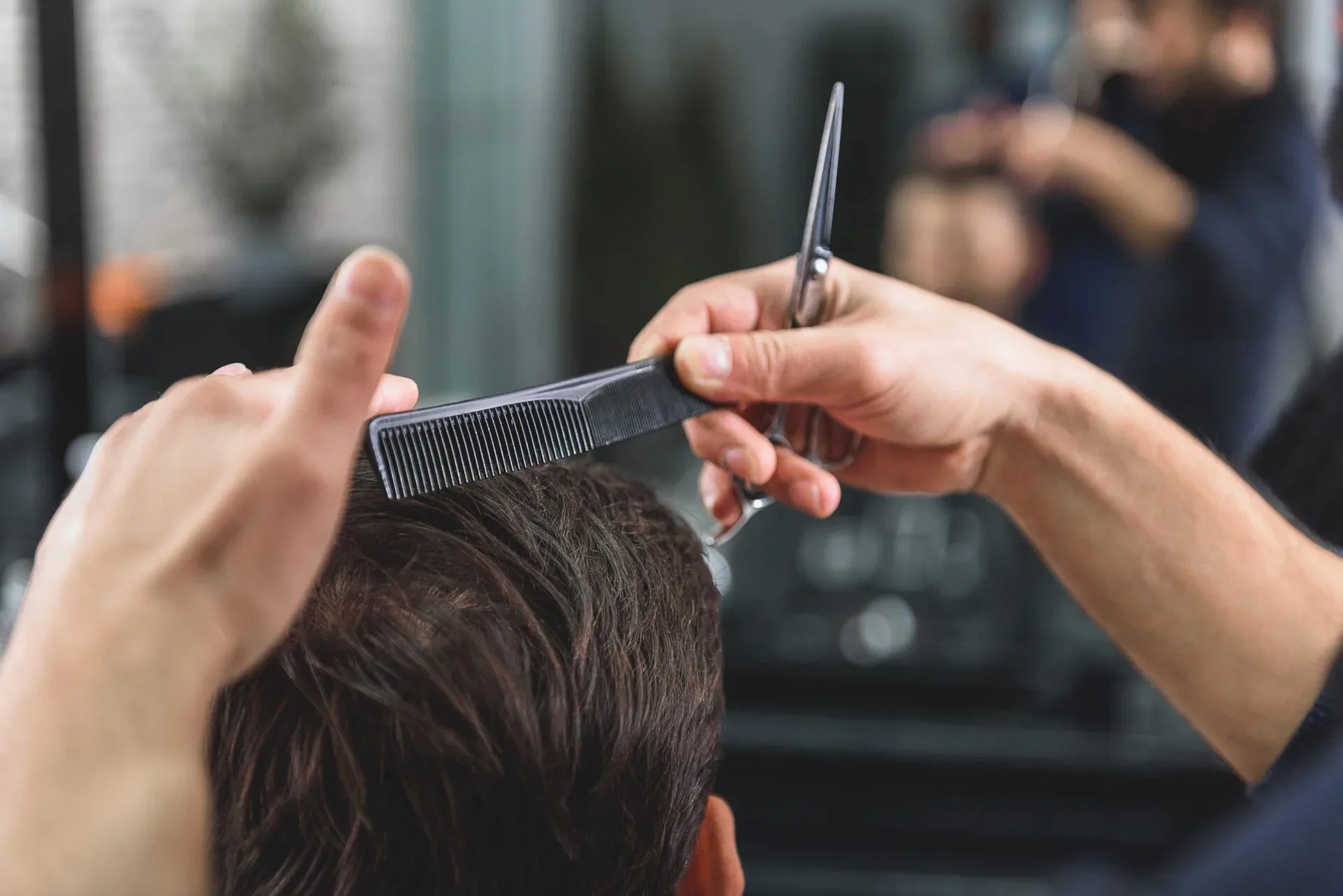
Fall and winter switch checklist
- Decide in early fall: grow out, step one guard longer, or hold the summer cut
- Tell your barber the plan so shaping cuts match the goal
- Add conditioner and ease off very hot shower water as indoor heating starts
- Switch to a small amount of cream or matte product on damp hair to control static
- Choose hat proof styles: shorter and textured recovers best after hats
- Watch for dry scalp flakes in the first cold weeks and adjust washing before scrubbing harder
- Book holiday cuts a week ahead of photos, not the day before
Dry air, static, and hats
Dry scalp is the season's most common complaint. Light flakes from dryness usually respond to richer conditioning, slightly less frequent washing in the coldest weeks, and water that is warm rather than hot. Heavy flaking with redness and persistent itching is a different matter and should not be chased with ever stronger dandruff shampoo without advice.
Static is simpler. It is dryness plus friction from hats, hoods, and collars, and it yields to moisture: product applied to damp hair, not piled onto dry hair later. For hat hair, rebuild with fingers after the hat comes off, or keep the cut short and textured enough that flattening changes nothing. Men who wear hats or helmets all day for work in Lincolnton often find the practical answer is keeping the summer cut and solving warmth with the hat itself, which is a perfectly good seasonal decision.
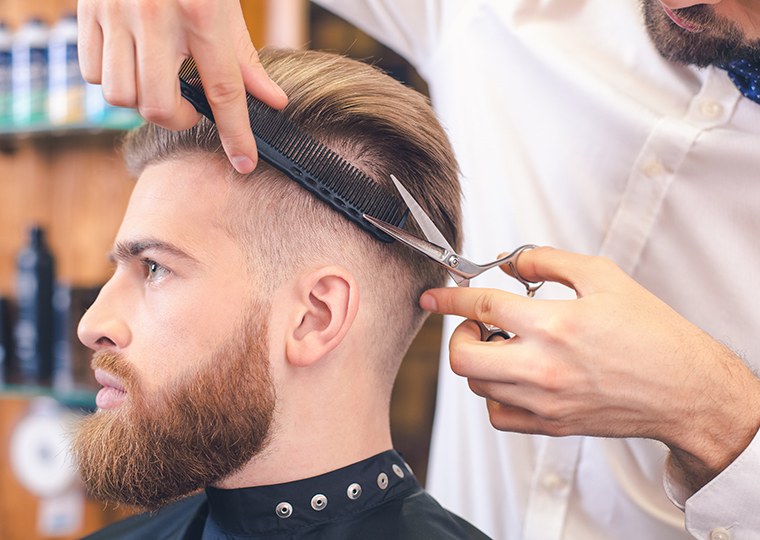
Keeping the switch through winter
Check in honestly around the new year. A grow out that still fights you daily, a longer style that looks thin, or a routine you have quietly abandoned are all signals to adjust at the next cut rather than enduring until spring. Seasons change the hair's conditions, but a style still has to fit your mornings. The barbers in Lincolnton would rather revise a plan in January than rescue it in March.
Common questions
When should I start a fall grow out?
Early to mid fall, so the length has been shaped through two or three visits and looks settled by the holidays. A late November start spends the photo season in between.
How do I handle dry scalp when the heat comes on indoors?
Start with moisture: conditioner, warm rather than hot water, and slightly less frequent washing. Persistent heavy flakes with redness and itching deserve proper advice, not harder scrubbing.
Is keeping a short cut through winter a mistake?
No. If you wear hats or helmets daily or prefer an easy routine, keeping the summer cut is a sound seasonal choice. Warmth can come from the hat.
Photos in this guide are representative stock images.
← All guides from The BobShop← Back to The BobShop